Glasgow Ghost Tour
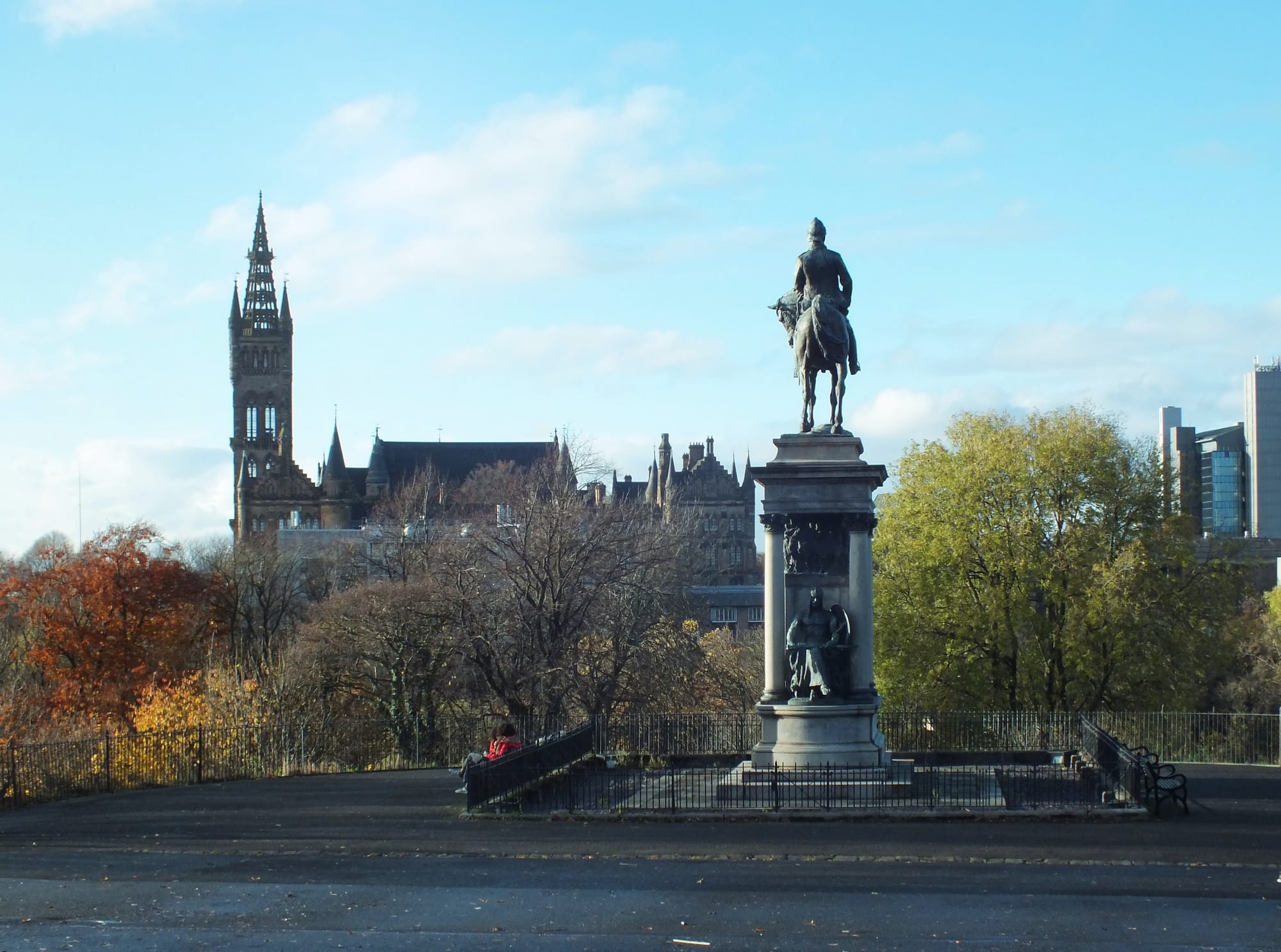
A Glasgow ghost tour channels the city’s layered past through cathedral crypts, atmospheric closes, and storytellers who balance fright with folklore. Following the main keyword places travellers inside moonlit lanes where medieval merchants, shipyard workers, and rebellious artists left tales of persistence, tragedy, and wit. The introduction frames the experience as culturally rich rather than gimmicky, pointing readers toward curated routes, booking strategies, and ways to respect historic sites while still feeding their appetite for supernatural thrills.
Why a Glasgow Ghost Tour Belongs on Your Itinerary
A Glasgow ghost tour adds narrative depth to any city break by revealing how wars, pandemics, and industrial booms shaped neighbourhood identities. Guides draw on oral histories, court archives, and dramatised testimonies to illustrate why specific alleys feel charged after dark. Travellers who already enjoy walking tours Glasgow appreciate this shift in tone because they can re-visit familiar landmarks with a fresh lens, noticing gargoyles, masons’ marks, and Victorian lamplight that vanish during the day. Pairing the experience with daylight museum visits helps balance tension with context, ensuring the evening feels thrilling yet grounded. The format also suits solo travellers and small groups alike; audio amplification and wireless headsets mean even crowded nights retain intimacy despite city noise. It is a genre that respects history while still indulging playful theatricality.
Mapping Gothic Glasgow Walking Tour Highlights
Successful planning starts with the gothic Glasgow walking tour staples clustered around the Cathedral Quarter, Merchant City, and the Clyde. Many companies offer layered itineraries that mix Glasgow ghost tour storytelling with architectural commentary, so list out the buildings you most want to enter before committing. Plot a counter-clockwise loop beginning at Glasgow Cathedral, sweeping through the Necropolis, and finishing in the Trongate for pub debriefs. If you are pairing the night with walking tours glasgow scotland earlier in the day, use those daylight walks to scout safe meeting points, note lighting levels, and photograph facades you might not capture once darkness falls. Bring portable chargers for your phone or gimbal, because lantern-lit alleys tempt everyone to film, and you will want spare battery life for emergency contacts or rideshares afterward. Cross-reference timetables for Glasgow city tours or subway services so you know which late trains remain available, and save the emergency taxi number for operators who partner with tour companies.
Route planning checklist:
- Mark public restrooms and late-night cafés on your map for comfort breaks.
- Pin safe, well-lit waiting zones near George Square in case the group disperses.
- Note any construction zones or road closures posted by the council so you can reroute quickly.
Storytelling Stops: Cathedrals, Necropolises, and Hidden Closes
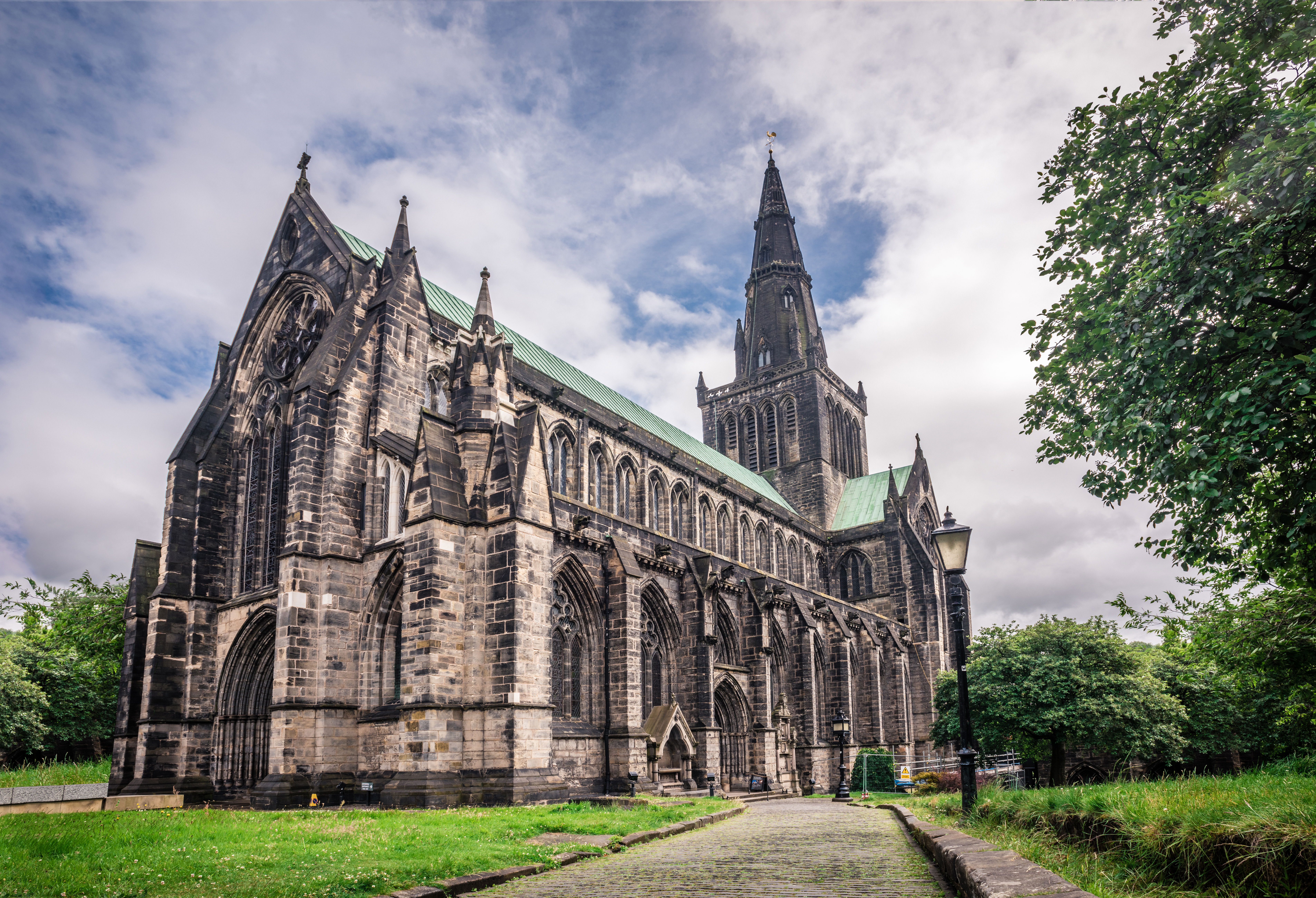
Anchor the journey with Glasgow Cathedral’s Blackadder Aisle, where guides recount plague burials before leading guests uphill to the Necropolis for panoramic views. Continue toward the Tolbooth Steeple, weaving through narrow closes whose sandstone walls trap every whisper. Many Glasgow history tour references also mention Provan Hall and its resident “Green Lady,” so consider daytime reconnaissance to appreciate the Renaissance brickwork before returning at night. Ask whether your Glasgow ghost tour includes entry to subterranean vaults beneath the Merchant City; these echo chambers heighten suspense without requiring jump scares. Some operators weave in detours to the Theatre Royal or Britannia Panopticon, highlighting actor apparitions that supposedly inspire modern performers. Balance each eerie moment with mindful observation—notice carved angels in the cathedral, symbolic motifs on grave markers, and the way modern light art installations soften otherwise foreboding corners.
Nighttime Logistics, Safety, and Accessibility
Practicalities elevate haunted walks from gimmick to polished production. Confirm meeting points, duration, and end locations before dusk so you can arrange onward travel; Glasgow day tours may finish miles away, so plan a rest stop and early dinner before the ghostly segment. Wear waterproof boots, layered clothing, and gloves between October and March, as Clyde winds pick up after sunset. Guides usually carry lanterns or battery uplights, but carrying a discrete red-light torch helps you read notes without washing out the ambience. For accessibility, ask organisers whether routes include steep stairs or cobblestones, and inquire about alternative stories delivered on level ground if someone in your group uses mobility aids. Most operators share live tracking links with office staff for safety, yet you should still text a friend your route and expected finish time.
Night-of essentials:
- Keep a compact first-aid kit stocked with blister plasters and motion-sickness tablets.
- Preload translations or captions if any guests are Deaf or hard of hearing, and confirm whether guides can share scripts in advance.
- Carry exact-change tips for storytellers who accept cash only after midnight.
Immersive Enhancements: Tech, Costumes, and Local Culture
Add theatrical touches to transform a standard Glasgow ghost tour into a bespoke production. Lightweight capes or period-inspired accessories photograph beautifully under neon signs and do not obstruct movement. Creators who run podcasts or YouTube channels often bring binaural microphones to capture storytellers’ cadence; remember to request permission before recording. Integrate sensory cues by pocketing lavender sachets or resin incense to release during cemetery vigils, subtly engaging smell without triggering allergies. You can also extend the night with late openings at Sharmanka Kinetic Theatre or whisky tastings that mirror Victorian mourning rituals—proof that haunted narratives coexist with the broader walking tours Glasgow ecosystem. If your travel party already enjoys Glasgow city tours focused on street art, ask whether your ghost guide can point out murals or projections linked to spectral legends so your content feels cohesive across platforms. Keep tipping cash on hand, as many performers rely on gratuities when they improvise extra scenes for enthusiastic groups.
Conclusion
Booking a Glasgow ghost tour rewards curiosity, patience, and respect for the people who keep these legends alive. By layering gothic Glasgow walking tour research, daylight scouting missions, and thoughtful safety prep, travellers gain goosebumps without feeling unmoored. Share reflections over a late-night cocoa or dram so the stories settle as communal memories rather than private fears. Let seasoned guides lead the way, but stay open to serendipity—street musicians, projection art, or surprise access to hidden chambers often become the evening’s most unforgettable chapters.
FAQ
How long does a typical Glasgow ghost tour last?
Expect 90 minutes on average, though premium routes with vault access may stretch to two hours. Factor in extra time afterward for transit because tours often end in different locations than they start.
Are the tours suitable for children or anxious travellers?
Most operators label experiences by intensity. Choose family-friendly slots before 8 p.m., sit near the guide to anticipate jump scares, and remind kids they can opt out of certain stops without disrupting the group.
Can I take photos or video during the stories?
Photography is usually welcome between narratives, but flash can break immersion and harm night vision. If you plan to film continuously for content creation, alert the guide beforehand and respect any restrictions inside sacred spaces.